 Mack Fgore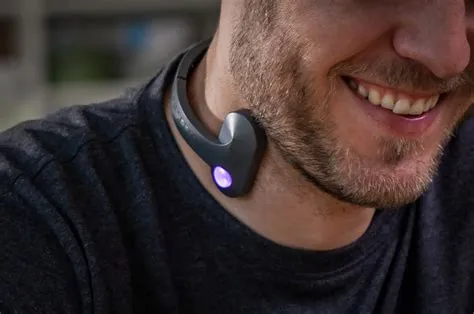
Hey there, sleep-deprived friend! Are you tired of hitting the snooze button a million times, dragging yourself through the day like a zombie? Do you crave that elusive, restorative sleep that leaves you feeling refreshed and energized? You’re not alone. Millions struggle with sleep, and finding the right solution can feel like searching for a needle in a haystack. But what if I told you there’s a new sheriff in town – wearable biohacking devices – ready to revolutionize your sleep? Let’s dive into the world of these sleep-optimizing gadgets and see how they can help you conquer your sleep woes.
What are Wearable Biohacking Devices for Sleep?
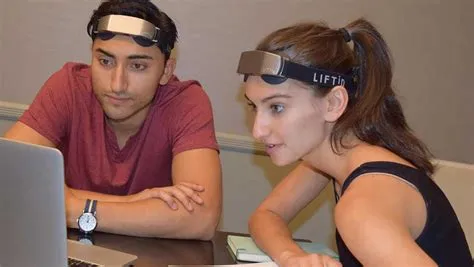
Imagine having a tiny, personal sleep coach strapped to your wrist (or even embedded in your mattress!). That’s essentially what these devices are. They’re sophisticated gadgets that track various aspects of your sleep, providing you with valuable insights into your sleep patterns. Think of them as personal sleep detectives, uncovering the hidden culprits behind your poor sleep. They go beyond simply counting sheep; they analyze your heart rate, movement, breathing patterns, even your snoring (yes, really!). This data then helps you understand your unique sleep architecture, identifying areas for improvement.
How Do These Devices Work Their Magic?
These devices utilize a variety of sensors and technologies to collect data. Some use accelerometers to track your movement throughout the night, identifying periods of restlessness. Others employ heart rate monitors to gauge your heart rate variability (HRV), a key indicator of your body’s ability to regulate itself and recover from stress. Some even incorporate SpO2 sensors to measure your blood oxygen saturation levels, helping identify potential sleep apnea. The collected data is then analyzed using algorithms, often generating detailed reports and providing personalized recommendations to improve your sleep hygiene.
Think of it like this: your sleep is a complex machine with many moving parts. These devices act as a mechanic, identifying any issues and suggesting adjustments to optimize performance. They’re not a magic bullet, but they’re powerful tools that empower you to take control of your sleep.
Choosing the Right Device for You: A Personalized Approach
The market is flooded with options, so choosing the right device can feel overwhelming. Before you dive in, consider your specific needs and budget. Some devices are basic, focusing primarily on sleep tracking, while others offer advanced features like sleep coaching programs, smart alarms, and even integration with other health and fitness-gadgets-and-tools">fitness-and-health-tracking">fitness-performance-for-biohacking">fitness apps. Do you need detailed sleep stage analysis? Are you interested in personalized sleep recommendations? Do you prefer a wristband, a ring, or a sleep tracker that integrates with your bed? Asking yourself these questions will help you narrow down your choices.
Some popular features to look for include:
- Sleep Stage Tracking: Identifies different sleep stages (light, deep, REM) for a comprehensive sleep analysis.
- Heart Rate Variability (HRV) Monitoring: Tracks variations in your heart rate, offering insights into stress levels and overall health.
- Blood Oxygen Saturation (SpO2) Monitoring: Measures oxygen levels in your blood, useful for detecting potential sleep apnea.
- Sleep Coaching Programs: Provides personalized recommendations and guidance based on your sleep data.
- Smart Alarms: Wakes you during a light sleep cycle for a more refreshed feeling.
- Integration with Other Apps: Allows you to connect the device to your other health and fitness apps for a holistic view of your well-being.
Beyond the Gadgets: lifestyle Changes for Optimal Sleep
While wearable biohacking devices are powerful tools, they’re not a standalone solution. Think of them as part of a larger strategy for improving your sleep. These devices provide the data; you need to take action. This means incorporating healthy lifestyle changes that promote better sleep. Here are some key steps:
- Establish a consistent sleep schedule: Go to bed and wake up around the same time each day, even on weekends, to regulate your body’s natural sleep-wake cycle.
- Create a relaxing bedtime routine: Wind down an hour or two before bed with calming activities like reading, taking a warm bath, or listening to relaxing music.
- Optimize your sleep environment: Make sure your bedroom is dark, quiet, and cool. Invest in blackout curtains, earplugs, or a white noise machine if needed.
- Limit screen time before bed: The blue light emitted from electronic devices can interfere with melatonin production, making it harder to fall asleep.
- Get regular exercise: Physical activity can improve sleep quality, but avoid intense workouts close to bedtime.
- Watch your diet: Avoid large meals, caffeine, and alcohol close to bedtime.
- Manage stress: Practice relaxation techniques like meditation or deep breathing to reduce stress levels before bed.
Addressing Potential Drawbacks
While these devices offer many benefits, it’s important to be aware of potential drawbacks. Accuracy can vary between devices, and some may require a period of adjustment to get accurate readings. The data provided is informative but shouldn’t replace professional medical advice. If you suspect a sleep disorder, consult a doctor or sleep specialist. Finally, the initial investment can be significant, depending on the device’s features and brand.
Moreover, remember that relying solely on technology without addressing the underlying lifestyle factors contributing to poor sleep can lead to a sense of false security. It’s crucial to integrate these devices with a holistic approach that includes lifestyle adjustments for sustainable improvements in sleep.
The Future of Wearable biohacking for Sleep
The field of wearable biohacking for sleep is constantly evolving. Expect to see even more sophisticated devices in the near future, with improved accuracy, more advanced features, and better integration with other health and fitness apps. We may even see devices that offer personalized sleep interventions, such as targeted sound therapy or light therapy, all tailored to your unique sleep profile. The future of sleep optimization is bright, and these devices are paving the way for a more rested and energized world.
Conclusion
So, are you ready to embark on your journey to better sleep? Wearable biohacking devices offer a powerful tool to understand and improve your sleep, but they’re only one piece of the puzzle. Combining these gadgets with healthy lifestyle choices is the key to unlocking the transformative power of truly restful sleep. Remember, better sleep isn’t just about getting more hours; it’s about achieving deeper, more restorative sleep that leaves you feeling refreshed and ready to conquer the day. It’s an investment in your overall health and well-being, and the rewards are truly priceless.
FAQs
1. Are these devices accurate? The accuracy of wearable sleep trackers can vary depending on the device and individual factors. While they provide valuable insights, they shouldn’t be considered definitive diagnostic tools. Consult a healthcare professional for diagnosis of sleep disorders.
2. How much do these devices cost? Prices vary greatly depending on features and brand. You can find basic trackers for under $100, while more advanced devices can cost upwards of $300 or more.
3. Are these devices safe? Generally, these devices are considered safe for most people. However, it’s always advisable to consult with your doctor if you have any underlying health conditions.
4. Do I need a prescription for a wearable sleep tracker? No, you do not typically need a prescription to purchase and use a wearable sleep tracker.
5. How long does it take to see results? The time it takes to see noticeable improvements in your sleep varies depending on individual factors and the changes implemented based on the device’s data. Consistency is key!