 Mack Fgore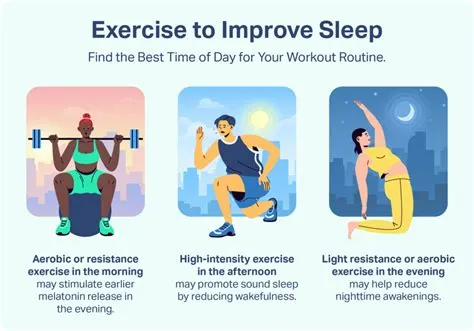
Hey there, sleep-performance-enhancement">sleep warriors! Are you tired of tossing and turning, counting sheep that seem to multiply instead of dwindling? Do you dream of waking up refreshed and energized, ready to conquer the day? Then you’ve come to the right place! We’re diving deep into the fascinating relationship between exercise and sleep, exploring how working out can be your secret weapon for better rest.
We all know sleep is crucial. It’s the foundation upon which our physical and mental health are built. Think of sleep as the ultimate reset button for your body and mind. But in our busy, always-on world, finding quality sleep can feel like searching for a needle in a haystack – a very, very large, fluffy haystack. That’s where exercise comes in.
Now, before you picture yourself running a marathon before bed, let’s clarify something: the connection between exercise and sleep isn’t about sheer exhaustion. It’s about a carefully orchestrated dance between physical activity and your body’s natural sleep-wake cycle. The key is finding the right type, intensity, and timing of your workouts.
Think of your body like a finely tuned machine. When you exercise regularly, you’re essentially lubricating the gears, making everything run smoother and more efficiently. This includes your sleep mechanisms. Regular physical activity helps regulate your circadian rhythm – your body’s internal clock that dictates when you feel sleepy and when you’re wide awake. When this rhythm is out of whack, sleep problems often follow.
One of the primary ways exercise improves sleep is by increasing your body temperature. Throughout the day, your body temperature naturally fluctuates. It rises during the day and gradually decreases in the evening, signaling to your brain that it’s time to wind down. Exercise can help amplify this natural temperature drop, making you feel sleepier and more ready for bed.
But it’s not just about temperature. Exercise also plays a crucial role in regulating hormones that impact sleep. Specifically, it can help reduce levels of cortisol, the stress hormone that can keep you awake at night. High cortisol levels can be detrimental to sleep quality, leading to insomnia and other sleep disturbances. Exercise acts as a natural stress reliever, helping to lower cortisol and promote relaxation.
Furthermore, exercise boosts the production of endorphins, those feel-good chemicals that leave you feeling happy and energized. While endorphins can be energizing in the short term, their long-term impact on sleep is positive. They promote a sense of well-being, reducing anxiety and stress – two common culprits behind sleeplessness. Imagine endorphins as tiny, happy helpers, smoothing the path to a peaceful night’s sleep.
So, what kind of exercise is best for optimizing sleep? The answer, as with most things, is that it depends. Moderate-intensity aerobic exercise, such as brisk walking, jogging, swimming, or cycling, is generally recommended. These activities elevate your heart rate without overexerting you, allowing for that perfect balance between physical stimulation and relaxation. Strength training can also be beneficial, but it’s best to avoid intense weightlifting close to bedtime.
The timing of your workout is also crucial. While some people find exercising in the morning energizing, others prefer evening sessions. However, it’s generally advisable to avoid intense workouts too close to bedtime. The adrenaline rush from intense exercise can interfere with your ability to fall asleep. Aim for a workout at least a few hours before you plan to go to bed. This allows your body to cool down and your heart rate to return to normal before you hit the hay.
What about mental fitness-gadgets-and-tools">fitness-and-health-tracking">fitness-performance-for-biohacking">fitness apps? These apps can be a valuable addition to your exercise and sleep optimization routine. Many apps offer guided meditations, mindfulness exercises, and sleep stories that can help you relax and prepare for sleep. These apps can help you manage stress and anxiety, further contributing to better sleep quality. Think of them as your personal sleep coaches, providing the tools and techniques to help you achieve restful nights.
But remember, exercise is only one piece of the sleep puzzle. To optimize your sleep, you also need to pay attention to your overall sleep hygiene. This includes creating a relaxing bedtime routine, ensuring your bedroom is dark, quiet, and cool, and avoiding caffeine and alcohol before bed. It’s about building a consistent and supportive sleep environment.
Let’s not forget the importance of consistency. Just like with any other habit, consistency is key to seeing results. Aim for regular exercise, even if it’s just for a short period each day. The cumulative effects of regular physical activity will significantly improve your sleep quality over time. Think of it as a marathon, not a sprint! Small, consistent steps lead to big, lasting results.
In conclusion, integrating regular exercise into your routine can be a game-changer for optimizing your sleep. By regulating your circadian rhythm, reducing cortisol levels, boosting endorphins, and promoting overall physical health, exercise helps pave the way for more restful and rejuvenating sleep. Remember to choose activities you enjoy, pay attention to timing, and combine exercise with good sleep hygiene for the best results. It’s time to invest in your sleep – your body and mind will thank you for it!
Frequently Asked Questions
Q1: Can I exercise too much and negatively impact my sleep?
A1: Yes, it’s possible. Overtraining can actually disrupt sleep, leading to insomnia and other sleep problems. Listen to your body, and don’t push yourself too hard, especially close to bedtime. Finding the right balance is crucial.
Q2: What if I’m not a fan of traditional exercise?
A2: Don’t worry! There are plenty of other ways to incorporate physical activity into your day. Consider taking the stairs instead of the elevator, walking or cycling instead of driving short distances, or trying yoga or Pilates. Find activities you enjoy and that fit into your lifestyle-wellness-for-biohacking">lifestyle.
Q3: How long does it take to see improvements in sleep after starting an exercise routine?
A3: It varies from person to person. Some people notice improvements within a few weeks, while others may take a little longer. Consistency is key – keep at it, and you’ll eventually see the positive effects on your sleep.
Q4: Are there specific mental fitness apps you recommend?
A4: There are many excellent mental fitness apps available, each with its own strengths. Some popular options include Calm, Headspace, and Insight Timer. Research different apps and find one that suits your preferences and needs.
Q5: I have a sleep disorder. Should I still exercise?
A5: If you have a diagnosed sleep disorder, it’s important to consult with your doctor or a sleep specialist before making significant changes to your exercise routine. They can advise you on the best approach to incorporate exercise safely and effectively while managing your condition.