 Mack Fgore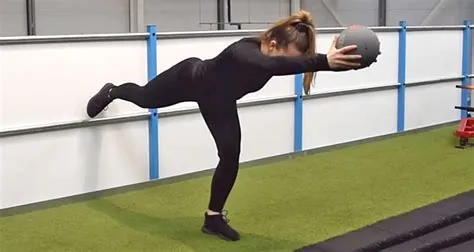
Hey there, athletes! Ever felt like your body’s just not quite listening? Like you’re a finely tuned race car with a wonky steering wheel? That frustrating feeling of not having complete control over your movement-for-performance">movements? You’re not alone. Mastering movement control is the secret weapon many athletes overlook, but it’s the key to unlocking peak performance, preventing injuries, and pushing your limits.
Think about it: Whether you’re a seasoned pro or just starting out, precise movements translate directly to better results. A perfectly timed swing in tennis, a flawless landing in gymnastics, a lightning-fast reaction in basketball – these all depend on refined movement control. But how do you actually improve it? That’s what we’re diving into today.
Understanding Movement Control: It’s More Than Just Muscles
Movement control isn’t just about brute strength or raw power. It’s a complex interplay of several factors: your brain (the control center!), your nervous system (the communication network), your muscles (the engines), and your proprioception (your body’s internal GPS). Imagine your body as an orchestra – each instrument (muscle group) needs to play its part perfectly in sync, guided by the conductor (your brain).
Poor movement control often stems from a breakdown in this symphony. Maybe your “communication lines” (nervous system) are weak, leading to delayed or imprecise muscle activation. Or perhaps your “musicians” (muscles) lack the necessary strength and endurance to execute the movements flawlessly. It could even be a problem with the “conductor,” leading to a lack of coordination and efficiency.
Boosting Your Body’s “Communication Network”: Proprioception Training
Proprioception, your body’s awareness of its position and movement in space, is absolutely crucial for movement control. Think of it as your internal GPS. A strong proprioceptive sense allows you to effortlessly adjust your movements based on your environment and your body’s position. Weak proprioception, on the other hand, leads to clumsy movements, increased risk of injury, and suboptimal performance.
So how do we improve this crucial sense? Here are some fantastic exercises:
- Balance drills: Stand on one leg, close your eyes, try balancing on unstable surfaces (like a wobble board), or even practice balancing on a yoga ball. The more challenging, the better!
- Single-leg exercises: Squats, lunges, and deadlifts performed on one leg will force your body to work harder to maintain balance and control.
- Eye-hand coordination exercises: Juggling, catching a ball, or playing racquet sports will help improve the connection between your eyes and your limbs.
- Sensory integration activities: Try walking barefoot on different surfaces, or doing exercises with your eyes closed to enhance your body’s awareness.
Strengthening Your “Musicians”: Targeted Strength Training
Strong muscles are the foundation of controlled movements. But it’s not just about building bulk; it’s about building functional strength – the kind of strength that translates directly to your sport. Think about the specific movements required in your sport and focus on exercises that target those muscle groups.
Avoid relying solely on heavy weights. Incorporate exercises that challenge your stability and control, such as:
- Bodyweight exercises: Push-ups, squats, lunges, planks – these are excellent for building functional strength and improving your body awareness.
- Resistance band exercises: Resistance bands provide variable resistance, allowing you to work on different aspects of movement control.
- Plyometrics: Jump squats, box jumps, and other plyometric exercises improve power and explosiveness while also honing your control.
Remember to focus on quality over quantity. It’s better to perform fewer repetitions with perfect form than many repetitions with sloppy technique.
Fine-Tuning Your “Conductor”: Neuromuscular Training
Neuromuscular training focuses on improving the communication between your brain and your muscles. This is where you really refine the precision and efficiency of your movements. Think of it as upgrading the software of your body’s operating system.
Some great neuromuscular training techniques include:
- Slow and controlled movements: Perform exercises slowly and deliberately, focusing on feeling the muscle activation and maintaining perfect form. This helps improve your mind-muscle connection.
- Isometric holds: Holding a position against resistance improves strength and stability, enhancing your control.
- Proprioceptive neuromuscular facilitation (PNF): This advanced technique involves stretching a muscle followed by a contraction, enhancing flexibility and strength.
- Reactive training: This involves performing movements in response to unexpected stimuli, improving your reaction time and coordination.
The Role of Mental fitness-movement”>fitness-hacks”>fitness-gadgets-and-tools”>fitness-and-health-tracking”>fitness-performance-for-biohacking”>fitness
Believe it or not, your mental game plays a huge role in movement control. Stress, anxiety, and lack of focus can significantly impair your ability to execute movements precisely. Think of it as static in your body’s communication channels.
To enhance your mental game, consider incorporating mindfulness techniques, meditation, visualization exercises, and positive self-talk. A calm and focused mind is a key ingredient in superior movement control.
Technology’s Assist: Mental Fitness Apps
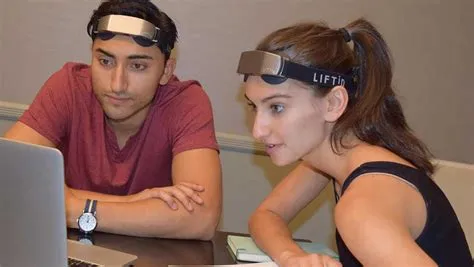
While the techniques above form the bedrock of improved movement control, technology can be a valuable ally. Mental fitness apps provide guided meditations, mindfulness exercises, and even biofeedback tools to help you become more aware of your body’s responses to stress and improve focus. They’re like having a personal coach in your pocket.
These apps are not a replacement for proper training; rather, they’re a powerful addition. They help you cultivate the mental fortitude necessary to execute those precise movements you’ve been practicing. It’s about creating a holistic approach to athletic improvement.
Consistency is Key
Improving movement control is a journey, not a destination. It requires consistent effort and dedication. Think of it like sculpting a masterpiece – it takes time, patience, and continuous refinement. Don’t get discouraged if you don’t see results overnight. Stay committed to your training program, listen to your body, and celebrate your progress along the way.
Conclusion
Mastering movement control is a game-changer for any athlete. By focusing on proprioception training, targeted strength training, neuromuscular exercises, and mental fitness techniques, you can significantly enhance your performance, reduce your risk of injury, and unlock your full athletic potential. Embrace the journey, stay consistent, and enjoy the process of refining your body’s masterful symphony! Remember, it’s not just about physical strength; it’s about the harmonious interplay between mind and body.
FAQs
- Q: How often should I do proprioception training? A: Aim for at least 3-4 sessions per week, incorporating various exercises to challenge your balance and body awareness.
- Q: Are mental fitness apps really necessary? A: While not strictly essential, mental fitness apps can significantly boost your results by enhancing focus and reducing stress, which are crucial for optimal movement control.
- Q: Can I use mental fitness apps alongside traditional training? A: Absolutely! They complement your physical training by addressing the mental aspects of performance.
- Q: How long does it take to see improvements in movement control? A: It varies depending on individual factors and consistency, but you should start noticing improvements within a few weeks of dedicated training.
- Q: What are some good examples of mental fitness apps? A: There are many excellent options available, so explore different apps to find one that suits your needs and preferences. Look for apps that offer guided meditations, mindfulness exercises, and features to track your progress.