 Mack Fgore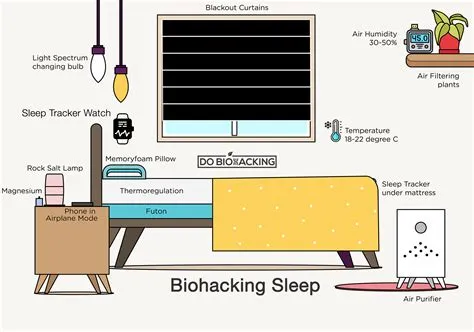
Hey there, sleep-deprived friend! Are you tired of tossing and turning, feeling groggy in the morning, and generally running on empty? You’re not alone. Millions struggle with sleep, and let’s be honest, a good night’s rest is the foundation of a productive and happy life. We’re not just talking about feeling refreshed; we’re talking about boosting your mood, sharpening your focus, and even strengthening your immune system. So, what if I told you there’s a way to hack your sleep, to optimize your body’s natural rhythms and unlock the power of truly restorative slumber? Let’s dive into the world of biohacking for better sleep!
Think of your body like a finely tuned machine. To run smoothly, it needs the right fuel, the right maintenance, and the right downtime. Sleep is that crucial downtime, the period where your body repairs itself, consolidates memories, and gets ready for the next day’s challenges. biohacking for sleep isn’t about magic pills or overnight fixes; it’s about understanding your body’s signals and making small, sustainable changes that lead to big improvements.
One of the most significant aspects of biohacking for better sleep is understanding your circadian rhythm. This is your body’s internal clock, the natural cycle that regulates your sleep-wake patterns. Think of it as the conductor of your internal orchestra, ensuring everything runs in harmony. When this rhythm is disrupted – by irregular sleep schedules, late-night screen time, or jet lag – the entire system can go haywire, leading to sleep problems.
So, how can you optimize your circadian rhythm? Let’s start with the basics:
Consistency is Key: Go to bed and wake up at the same time every day, even on weekends. This helps regulate your body’s natural sleep-wake cycle. Imagine it’s like training a puppy – consistency is essential for establishing good habits.
Sunlight Exposure: Get some sunlight in the morning. This helps suppress melatonin production (the sleep hormone) and sets your internal clock for the day. Think of it as setting your body’s alarm clock naturally.
Darkness is Your Friend: Minimize light exposure in the evening. This signals to your body that it’s time to wind down and produce melatonin. Consider using dim lighting or blue-light-blocking glasses before bed. Think of it as gently dimming the lights before a restful night’s sleep.
Temperature Control: A slightly cooler room (around 65 degrees Fahrenheit) is ideal for sleep. A cooler environment helps your body naturally lower its temperature, which is a crucial part of the sleep process. It’s like preparing a cozy nest for a good night’s sleep.
Beyond optimizing your circadian rhythm, there are several other biohacking techniques you can incorporate into your routine:
Supplements: Certain supplements, like magnesium, melatonin, and glycine, can support better sleep. However, it’s crucial to talk to your doctor before starting any new supplements, especially if you have underlying health conditions. Think of supplements as carefully chosen tools in your sleep-optimization toolkit.
diet: Avoid large meals or sugary snacks close to bedtime. Indulge in a light dinner instead; it’s less likely to disrupt your sleep. Think of your digestive system like a hardworking employee – it needs time to rest before you do.
Exercise: Regular physical activity can improve sleep quality, but avoid intense workouts close to bedtime. Early morning or afternoon exercise is optimal for a restful night’s sleep. Exercise is like tuning up your engine for optimal performance.
Mindfulness and Meditation: Stress and anxiety are major sleep disruptors. Practicing mindfulness or meditation techniques can help calm your mind and prepare you for sleep. Think of mindfulness as a gentle reset button for your mind.
Optimize Your Sleep Environment: Ensure your bedroom is dark, quiet, and cool. Invest in a comfortable mattress, pillows, and bedding. Consider using earplugs or an eye mask to block out distractions. Think of your bedroom as your personal sleep sanctuary.
Mental fitness-gadgets-and-tools">fitness-and-health-tracking">fitness-performance-for-biohacking">fitness Apps: Your Digital Sleep Companion
Now, let’s talk about mental fitness apps. These incredible tools can be powerful allies in your quest for better sleep. Many apps offer guided meditations, breathing exercises, sleep stories, and even soundtracks designed to promote relaxation and sleep. They’re essentially personalized sleep coaches in your pocket! They can help you manage stress, improve your sleep hygiene, and track your sleep patterns to identify areas for improvement. They’re like having a sleep expert on call 24/7. Some popular options include Calm, Headspace, and Sleep Cycle.
But how do you choose the right app for you? Consider what features are most important to you. Do you need guided meditations? Do you want to track your sleep stages? Do you prefer soothing soundscapes or sleep stories? Reading reviews and trying out free trials can help you find the perfect app to fit your needs and preferences.
Remember, biohacking for sleep isn’t a one-size-fits-all approach. What works for one person might not work for another. Experiment with different techniques and find what resonates with your body and your lifestyle. It’s a journey of self-discovery, a process of fine-tuning your sleep until you find the perfect balance. Be patient, be persistent, and remember that even small improvements can make a significant difference in your overall well-being. Getting enough restorative sleep is more than just about avoiding daytime fatigue, it is also about being present, focused and engaged with your life.
Conclusion:
So, are you ready to take control of your sleep and unlock your full potential? Biohacking your sleep doesn’t have to be complicated. By incorporating simple strategies like optimizing your circadian rhythm, creating a sleep-conducive environment, using mental fitness apps and mindful practices, you can pave your way to a life filled with energy, focus, and overall improved well-being. Start small, be consistent, and celebrate your progress along the way. Remember, a good night’s sleep is an investment in yourself, an investment that pays dividends in every aspect of your life.
FAQs:
1. Are mental fitness apps effective for everyone? While mental fitness apps can be beneficial for many, individual results may vary. It’s important to find an app that suits your needs and preferences. Experimentation is key!
2. How long does it take to see results from biohacking techniques for sleep? Results vary, but you may start noticing improvements within a few weeks of consistently applying these techniques. Patience and consistency are paramount.
3. Can I use mental fitness apps alongside other sleep aids like medication? Always consult your doctor before combining mental fitness apps with medication or other sleep aids. They can advise you on safe and effective strategies for your specific situation.
4. What if a mental fitness app doesn’t work for me? There’s a wide variety of mental fitness apps and techniques. If one doesn’t work, don’t get discouraged! Experiment with different apps and techniques until you find what suits you best.
5. Are there any potential downsides to using mental fitness apps? Some apps may contain intrusive ads or require a subscription. Always check the app’s privacy policy and terms of service before downloading.