 Mack Fgore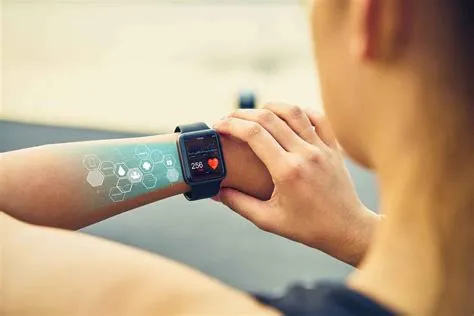
Hey there! Ever feel like you’re juggling chainsaws while riding a unicycle? Life can get hectic, right? We’re constantly bombarded with demands, deadlines, and the general chaos of modern living. But what if I told you there’s a growing army of apps and wearable tech designed to help you navigate this whirlwind and prioritize your mental well-being? That’s right – we’re diving into the world of mental fitness-gadgets-and-tools">fitness-and-health-tracking">fitness-performance-for-biohacking">fitness apps and the best wearable tech to support your journey to a calmer, more centered you.
Think of mental fitness like physical fitness. You wouldn’t expect to run a marathon without training, would you? Similarly, nurturing your mental health requires consistent effort and the right tools. That’s where these incredible apps and gadgets come in. They’re not magic bullets, but they can be powerful allies in your self-care journey.
Mental Fitness Apps: Your Pocket-Sized Therapists
The app store is overflowing with options, promising everything from stress reduction to improved sleep. But how do you sift through the noise and find the gems? Let’s explore some key features to look for:
Mindfulness and Meditation: Many apps offer guided meditations, breathing exercises, and mindfulness techniques. These practices can help you center yourself, reduce anxiety, and increase self-awareness. Think of them as mini-vacations for your mind – quick escapes from the everyday chaos. Apps like Headspace and Calm are popular choices, offering a variety of guided meditations to suit different needs and experience levels.
Mood Tracking: These apps help you monitor your emotional fluctuations over time. By regularly logging your mood, you can identify patterns, triggers, and potential areas for improvement. It’s like keeping a fitness diary, but for your mind. Apps like Daylio and Moodpath provide simple interfaces for tracking your emotional state.
cognitive Behavioral Therapy (CBT) Techniques: CBT is a proven therapy for various mental health conditions. Several apps incorporate CBT principles, offering tools and exercises to help you challenge negative thoughts, manage anxiety, and build coping mechanisms. Think of them as your personal CBT coach in your pocket.
Sleep Tracking and Improvement: Sleep is crucial for mental well-being. Many apps track your sleep patterns and provide insights to help you optimize your sleep hygiene. They might suggest adjustments to your bedtime routine, creating a more conducive environment for restful sleep. Who wouldn’t want to wake up feeling refreshed and ready to conquer the day?
Personalized Programs: Some apps offer personalized programs tailored to your specific needs and goals. They might assess your mental health status and recommend exercises, meditations, or other activities based on your unique profile. This personalized approach can make a significant difference in your progress.
Wearable Tech: The Quantified Self movement Meets Mental Well-being
Wearable technology is taking the mental health world by storm. These devices offer a more holistic approach, tracking various physiological data that can be correlated with mental well-being. Think of them as sophisticated spies for your body, reporting back on your physiological state.
Smartwatches and Fitness Trackers: Many smartwatches and fitness trackers monitor your heart rate variability (HRV), sleep patterns, and activity levels. Changes in these metrics can indicate stress or other mental health concerns. While they don’t directly diagnose conditions, they can provide valuable insights into your overall well-being.
Sleep Monitoring Devices: Dedicated sleep trackers offer detailed insights into your sleep stages, sleep duration, and sleep quality. This information can help you identify sleep disruptions and make adjustments to improve your sleep hygiene. Remember, improved sleep often leads to improved mood and cognitive function.
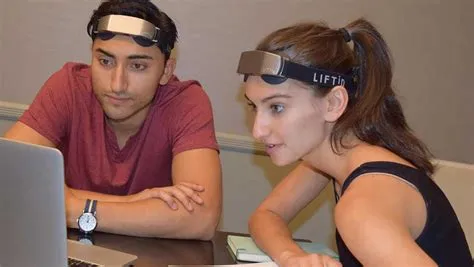
Biofeedback Devices: These devices measure physiological signals like heart rate, skin conductance, and muscle tension. They provide real-time feedback, allowing you to learn how to regulate your body’s response to stress. This biofeedback can be particularly helpful in managing anxiety and improving self-regulation skills.
Choosing the Right Tools: A Personalized Approach
The best app or wearable device for you will depend on your individual needs and preferences. Consider these factors when making your choice:
Your specific mental health goals: Are you trying to manage stress, improve sleep, or address a specific condition?
Your tech comfort level: Some apps and devices are more user-friendly than others.
Your budget: Prices for mental fitness apps and wearable tech vary significantly.
Integration with other apps and devices: Some apps integrate with other health and fitness platforms, providing a more comprehensive view of your well-being.
Is it all sunshine and rainbows? Of course not!
Remember, apps and wearables are tools, not solutions. They’re incredibly helpful aids, but they shouldn’t replace professional help when needed. If you’re struggling with a serious mental health condition, seeking professional help from a therapist or psychiatrist is crucial. These tools can complement therapy, but they shouldn’t be the sole source of support.
Think of it this way: a fitness tracker can help you track your steps and calories, but it can’t replace a personal trainer or a healthy diet. Similarly, mental fitness apps and wearables are valuable tools, but they’re most effective when used as part of a comprehensive self-care plan.
Conclusion:
Taking care of your mental health is an ongoing process, not a destination. Embracing mental fitness apps and wearable tech can significantly enhance your self-care journey, providing valuable tools and insights to support your well-being. These tools, coupled with healthy lifestyle-wellness-for-biohacking">lifestyle choices and professional support when needed, can empower you to live a more fulfilling and balanced life. So, take a deep breath, explore the options, and find the tools that best resonate with you. Your mental health deserves it!
FAQs:
1. Are mental fitness apps safe? Reputable apps adhere to privacy standards and data security protocols. However, it’s always wise to review an app’s privacy policy before downloading and using it.
2. Can wearable tech diagnose mental health conditions? No, wearables cannot diagnose mental health conditions. They provide valuable data that can be discussed with a healthcare professional, but they are not a substitute for a professional diagnosis.
3. How much do mental fitness apps and wearables cost? Costs vary widely. Many apps offer free versions with limited features, while premium subscriptions may range from a few dollars to tens of dollars per month. Wearables can range from budget-friendly fitness trackers to high-end smartwatches with advanced health monitoring capabilities.
4. Do I need both apps and wearables for optimal results? Not necessarily. Some individuals find that apps alone are sufficient, while others find the combination of apps and wearables more helpful. The best approach depends on your individual needs and preferences.
5. What if I don’t see immediate results? Building mental fitness takes time and consistency. Don’t get discouraged if you don’t see immediate results. Continue using the tools consistently, and remember to be patient with yourself. The journey to better mental well-being is a marathon, not a sprint.